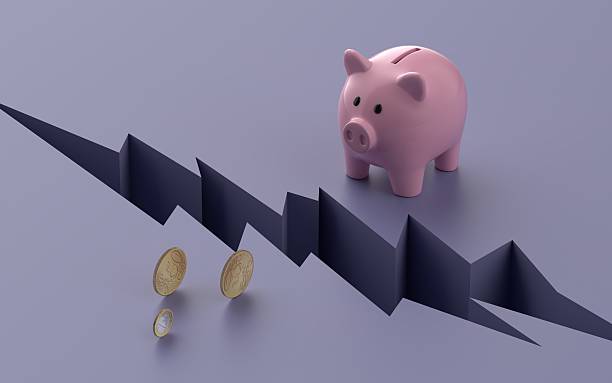
I used to think money stress only happens when you don’t earn enough. Like, if the salary is small, of course life feels tight. But over time, watching friends, Twitter threads, Reddit rants at 2 a.m., and honestly my own dumb mistakes, I realized it’s not just income. Some people earn decent money and still panic every time the phone buzzes with a bank notification. Others earn less and somehow sleep fine. That gap is not magic. It’s habits. Boring word, I know, but yeah… habits.
The quiet habit of knowing where your money actually goes
This sounds basic, almost insulting. But most people don’t really know where their money disappears. They think they know. I thought I knew. Turns out “food” was doing a lot of suspicious heavy lifting in my expenses. Coffee here, delivery there, one lazy Friday night turning into a ₹1,200 bill for noodles and regret.
People with stable finances usually have at least a rough idea. Not a perfect Excel sheet with colors and formulas. Just awareness. They can say, “yeah, rent is this, groceries about that, random online shopping… maybe too much.” Stressy money people avoid looking. Like ignoring a mirror after overeating for a month. The bill comes anyway, just angrier.
There was a stat floating around Instagram reels saying most people underestimate their monthly spending by 20–30%. No idea if it’s 100% accurate, but emotionally it feels correct.
Spending with a pause instead of impulse
This one hurts because it exposes how emotional we are with money. Stable folks pause. Stressed folks react. New phone launches, crypto hype, flash sales screaming ONLY 2 HOURS LEFT, and suddenly logic leaves the room.
I once bought noise-cancelling headphones because a YouTuber said they changed his life. My life did not change. My bank balance did.
People who feel calmer financially usually build a tiny delay into spending. Not a full monk-level discipline. Just a pause. “Do I still want this tomorrow?” Sometimes the answer is yes. Often it’s no and you feel slightly proud for 15 minutes, which is a weird but nice feeling.
Online chatter backs this up. You see tweets like “I waited 48 hours before buying and now I don’t even remember what it was.” That’s not wisdom, that’s impulse control dressed in memes.
Saving like it’s non-negotiable, even if it’s small
Here’s a lesser talked about thing. The amount you save matters less than the consistency, at least early on. People under stress usually save “if something is left.” Spoiler, something is never left. Stability people flip it. They save first, even if it’s laughably small, and live on the rest.
I had a phase where I saved 5% of my income. It felt pointless. Like trying to fill a swimming pool with a spoon. But it changed my mindset. Suddenly saving wasn’t optional. It was just… what I do.
There’s also this quiet psychological effect. Having even a small buffer makes problems feel smaller. A broken phone becomes annoying, not catastrophic. That’s a massive difference in mental health, and nobody posts reels about that part.
Debt used as a tool, not a lifestyle
Debt is tricky. Social media loves extremes. Either debt is evil and you should never touch it, or debt is “good” and you’re stupid if you’re not leveraging it. Reality is more boring.
Stable people usually know why they took debt. Education, business, maybe a house. Stressy people collect debt like Pokémon cards. Credit cards for vibes, EMIs for convenience, buy-now-pay-later because it feels invisible.
I once paid minimum due on a card for months because I didn’t want to “feel poor.” Genius move. The interest quietly ate my future self alive.
There’s a niche stat I read somewhere that a huge chunk of credit card users don’t even know their interest rate. That alone explains a lot of anxiety.
Planning for boring emergencies, not just big dreams
Everyone likes planning vacations and dream homes. Nobody likes planning for medical bills, job gaps, or family stuff going wrong. Stable people do it anyway. Not perfectly, not happily, but they do.
Emergency funds sound like advice from a dad who uses Facebook too much. But they work. Online forums are full of stories like “I lost my job but didn’t panic because I had 6 months saved.” You don’t see those stories on Instagram much because panic sells better than calm.
Stress comes from surprises. You can’t remove surprises, but you can soften the landing.
Talking about money instead of pretending
This one surprised me. People with stable finances talk about money more openly. With partners, sometimes with friends, at least with themselves. Stress grows in silence.
I avoided checking my bank app for weeks once. When I finally checked, nothing improved magically. Avoidance didn’t help. It just added fear.
Online sentiment shows this shift too. More people openly sharing salary ranges, investment mistakes, even losses. That transparency reduces shame. Shame is expensive.
So yeah, it’s not about being perfect
The difference between stability and stress isn’t flawless budgeting or insane discipline. It’s small habits repeated badly but consistently. Knowing roughly where money goes. Pausing before spending. Saving something, anything. Respecting debt. Preparing for boring disasters. And actually looking at your numbers, even when they’re ugly.
I still mess up. I still overspend some months. But the stress is quieter now. Like background noise instead of a fire alarm.
Money doesn’t need to be your best friend. Just don’t let it be your enemy.