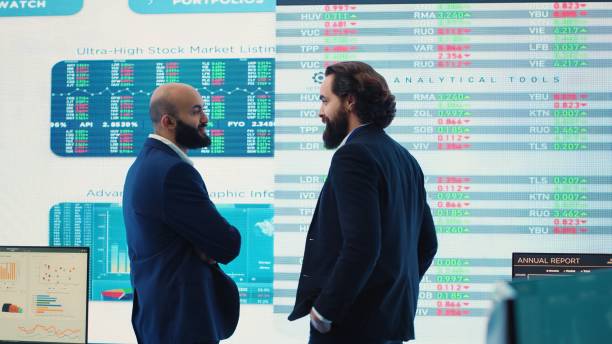
Sometimes I think the stock market is like a gym in January. Everyone rushes in with motivation, shiny shoes, big plans… and by February half of them are gone. Long-term investors are the ones who quietly keep showing up even when it’s boring. Short-term traders, well, they’re usually chasing the next sweaty miracle workout they saw on Twitter.
I’ve been around markets for a couple of years now, not some Wall Street legend, but enough to see patterns. And the difference between long-term investors and short-term traders isn’t intelligence. It’s not even money. It’s mostly mindset, patience, and how much emotional pain you’re willing to sit with.
Time Is Either Your Friend Or Your Enemy
Long-term investors treat time like compound interest’s best buddy. They let it do the heavy lifting. It’s almost lazy, in a good way. Buy something solid, check on it sometimes, ignore the noise, repeat. There’s a famous stat people don’t talk about much: a huge chunk of market returns comes from just a handful of days each decade. Miss those days because you were panic-selling or waiting for a “better entry,” and boom, your performance looks sad.
Short-term traders live in the opposite world. Time is scary for them. Overnight risk, weekend news, surprise tweets from some CEO at 3 a.m. Everything feels like a threat. I tried short-term trading for a while and honestly, sleeping felt irresponsible. You wake up, check your phone, heart rate goes brrr. That alone told me something was off.
Emotion Management (Or The Lack Of It)
Nobody likes admitting this, but trading is basically emotional control disguised as finance. Long-term investors still feel fear and greed, they’re human, not robots. But they don’t act on it every five minutes. When markets crash, they complain, maybe swear a little, then usually do nothing. Sometimes they even buy more, which feels insane in the moment.
Short-term traders are more like emotional surfers. Every wave matters. Red candle? Panic. Green candle? Euphoria. Social media makes this worse. You scroll and see people posting screenshots of insane gains, Lamborghini jokes, rocket emojis everywhere. Nobody posts the 9 losses before that one lucky win. So traders feel behind all the time, like they’re missing out on life-changing money every hour.
Information Diet Is Totally Different
Long-term investors read boring stuff. Earnings reports, balance sheets, industry trends. Not always, but often. They care about how a business might look in five or ten years. Will people still use this product? Will this company still exist? It’s slow thinking.
Short-term traders consume fast content. Price action, charts, indicators with cool names, Discord alerts, YouTube thumbnails with shocked faces. Nothing wrong with charts, by the way, but when your entire decision process is based on lines drawn by another tired human, things get risky.
A weird fact I came across once: many professional traders actually limit how much financial news they read during trading hours. Too much info messes with decision-making. Long-term investors kind of do this naturally. They just… don’t care about today’s headline.
Risk Looks Similar But Isn’t
People think traders are risk-takers and investors are conservative. That’s not always true. Short-term traders often risk small amounts per trade, but they do it frequently. Death by a thousand cuts. Long-term investors might put a lot of money into one idea, but the risk is spread over time and fundamentals.
It’s like driving. A trader is speeding all day but only for short distances. An investor drives slower but for a very long trip. Both can crash, but in different ways.
Patience Is a Skill, Not a Personality Trait
I used to think patience was something you’re born with. Nope. It’s trained. Long-term investors build patience by not touching things. Literally. They log in less. Some studies show investors who check their portfolios less often actually perform better. Makes sense. Less temptation to mess things up.
Short-term traders need a different kind of patience, waiting for setups, sticking to rules. But the market rewards activity visually. Candles move, numbers change, it feels productive. Doing nothing feels wrong, even when it’s the right move.
Identity And Ego Play A Bigger Role Than People Admit
This part is awkward but important. Many traders want to feel smart. Outsmarting the market, timing tops and bottoms, calling crashes on social media. It’s addictive. Investors are more okay with being boring. Nobody brags about holding an index fund for 15 years. There’s no screenshot dopamine there.
I remember telling a friend I just buy and hold mostly. He said, “That’s it?” Like I just admitted I microwave frozen food for dinner. But guess what, frozen food works sometimes.
Different Definitions Of Winning
Short-term traders often measure success daily or weekly. Green day equals good trader. Red day equals failure. That’s exhausting. Long-term investors zoom out. A bad year doesn’t automatically mean a bad strategy. They think in decades, which sounds dramatic but also reduces stress a lot.
Online sentiment shows this clearly. During market drops, traders disappear or turn angry. Long-term investors make memes about buying the dip with their last $50. Humor is coping, but also confidence.
So Who Is “Better”?
Honestly, neither is morally superior. They’re just different games. But most people who say they’re traders are actually just impatient investors with Wi-Fi. That’s where things go wrong.
If I’m being honest, long-term investing fits normal human life better. Jobs, families, bad sleep, random stress. Trading demands focus and emotional discipline that most people underestimate. I definitely did.
In the end, the biggest separator isn’t strategy. It’s whether you respect time, or try to fight it.