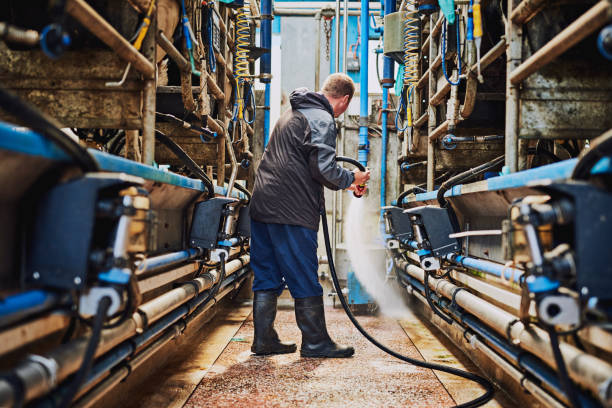
I used to think cleaning an industrial space was just… cleaning. Like bigger mops, louder machines, maybe someone yelling about safety helmets. But once you actually see how factories run, you realize Industrial Factory Cleaning Services are less about making things look nice and more about keeping the whole operation legally alive. Compliance standards aren’t some boring paperwork thing sitting in a file cabinet — they’re basically the difference between smooth production and a shutdown notice nobody wants to receive on a Monday morning.
Factories collect mess in ways normal offices never will. Dust that isn’t just dust, oil that somehow travels everywhere, and tiny particles you don’t even notice until machines start acting weird. I remember visiting a small manufacturing unit once, and the manager joked that grime spreads faster than gossip in a WhatsApp family group. Honestly, he wasn’t wrong. And regulators definitely don’t find that funny.
Why compliance actually starts with cleaning
Most people imagine compliance as audits, documents, and inspectors walking around with serious faces. But behind all that, cleanliness plays a surprisingly big role. Floors covered in residue can cause accidents, ventilation clogged with buildup affects air quality, and equipment layered with debris can fail safety checks instantly.
Think of it like personal finance. Skipping small expenses tracking doesn’t hurt immediately, but over months everything becomes chaos and suddenly you don’t know where your money went. Same with factories. Ignore small cleaning issues and eventually safety violations pile up. The scary part? Many fines happen not because companies ignore rules intentionally, but because maintenance quietly slips behind schedule.
There’s also a lesser-known stat floating around industry forums — a large percentage of workplace incidents in manufacturing environments are linked indirectly to poor housekeeping. Not dramatic explosions, just slips, overheating machines, blocked exits. Boring problems that create expensive consequences.
The hidden relationship between productivity and cleanliness
This is something factory owners don’t always admit publicly, but workers notice instantly. Clean environments actually change how people work. When machines are maintained and areas are organized, downtime drops. Employees move faster because they aren’t navigating obstacles or worrying about hazards.
I once read a discussion thread where operators compared messy plants to driving a car with a foggy windshield. You can still drive, sure, but you’re constantly tense and slower than you should be. Cleaning removes that mental friction.
There’s also a mechanical side people underestimate. Dust buildup increases heat retention in machinery. Heat increases wear. Wear increases maintenance costs. Suddenly cleaning isn’t an expense anymore — it’s preventative budgeting. Almost like servicing your bike regularly instead of waiting for it to completely break down in the middle of nowhere.
Audits don’t care about intentions
Here’s the harsh truth: inspectors don’t grade effort, they grade results. You might have the best safety policies written beautifully, but if grease buildup is visible or sanitation protocols aren’t followed consistently, compliance scores drop fast.
Social media conversations among plant managers often sound the same — someone saying, We thought we were fine until inspection day. That sentence shows up again and again. And usually the issue wasn’t lack of rules; it was inconsistent execution.
Professional cleaning teams understand regulatory expectations in ways general janitorial work simply doesn’t. Different industries have different contamination risks. Food processing worries about bacteria, automotive focuses on chemical residue, electronics manufacturing cares about microscopic particles. It’s not one-size-fits-all, even if it looks that way from outside.
Safety culture is surprisingly emotional
This part doesn’t get talked about enough. Clean spaces signal care. Workers subconsciously feel safer when environments are maintained properly. When management invests in upkeep, employees feel the workplace values their well-being, not just output numbers.
I remember talking to a technician who said he could judge a company within five minutes just by walking through the floor. His logic was simple: if management ignores visible hazards, what else are they ignoring? It stuck with me because it’s kind of true in everyday life too. You trust a restaurant kitchen more when it looks organized, even before tasting the food.
And yeah, sometimes people roll their eyes at strict cleaning routines. Until an accident happens somewhere else and suddenly everyone appreciates prevention.
Technology changed cleaning more than people realize
Industrial cleaning today isn’t just hoses and chemicals anymore. Specialized equipment measures contamination levels, tracks sanitation schedules, and even predicts buildup patterns. Sounds fancy, but it’s basically data helping cleaning teams work smarter.
There’s a growing online trend where facility managers share before-and-after machine restoration videos, and honestly they’re oddly satisfying to watch. But beyond the visuals, those deep cleanings often extend equipment lifespan significantly. That’s real money saved — not theoretical savings accountants argue about.
Another interesting thing is how environmental compliance ties into cleaning now. Waste disposal, water usage, and chemical handling all fall under regulatory scrutiny. Proper cleaning methods help companies avoid environmental penalties, which are becoming stricter every year.
Why outsourcing sometimes works better than internal teams
Some factories try handling everything internally to cut costs. Makes sense on paper. But internal staff already juggle production pressures, maintenance, and daily operations. Cleaning consistency becomes the first thing sacrificed during busy periods.
External specialists focus only on maintaining standards. They follow structured processes, bring trained crews, and stay updated on compliance changes. It’s similar to hiring a tax professional instead of doing complicated filings yourself — technically possible alone, but risky when regulations shift.
Toward the end of the day, companies often realize that reliable Industrial Factory Cleaning Services aren’t just about appearances or passing inspections once. They create a system where compliance becomes routine instead of stressful. And honestly, anything that reduces last-minute panic before audits is probably worth it.
Factories already deal with enough unpredictability — supply chains, deadlines, machinery issues, staffing problems. Cleaning shouldn’t be another gamble. When done right, it quietly supports safety, efficiency, and compliance all at once… which is kind of funny, because the best cleaning work is the kind nobody notices until it stops happening.