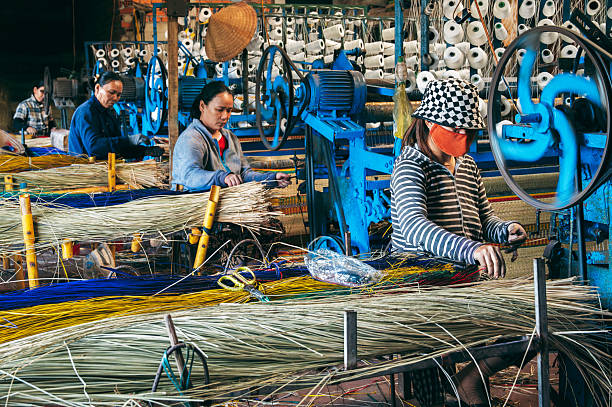
People always talk about “big disruptions” like they arrive with fireworks. Reality is way more boring, and honestly more sneaky. Most traditional industries aren’t being smashed overnight. They’re being quietly nudged, pushed, slightly embarrassed, and slowly forced to change. Sometimes even the people working inside those industries don’t fully realize what’s happening until it’s already normal.
I noticed this first when my uncle, who’s been in manufacturing since before I was born, started complaining less about machines breaking and more about software updates. That was weird. Factories used to smell like oil and metal. Now they smell like WiFi problems.
Slow Technology, Not Sexy Technology
Everyone loves talking about AI and robots taking jobs. That’s the flashy version. The quieter truth is much less dramatic but way more effective. It’s boring tech doing boring things better than humans. Spreadsheets on steroids. Sensors that just sit there and watch. Software that removes three people from a process and nobody throws a party about it.
In logistics, for example, a lot of companies didn’t suddenly buy robots. They just added tracking systems, route optimization tools, and predictive maintenance software. That’s it. But those small upgrades shaved off costs bit by bit. Like losing weight not by going to the gym, but by stopping soda. Not exciting, but it works.
A niche stat I read somewhere said many mid-sized factories increased output by double digits without hiring more workers, mostly because downtime dropped. Machines weren’t “smarter,” they were just less broken. That’s not a headline, but it changes everything.
Money Is Moving Sideways, Not Up
Another thing people miss is how money flows now. Traditional industries used to think growth meant selling more stuff. More houses, more cars, more machines. But margins are thinner, competition is brutal, and customers are annoying (me included).
So companies started charging sideways. Subscriptions, maintenance plans, service bundles. You don’t just buy a tractor anymore, you buy updates, data access, training videos, maybe even remote diagnostics. It’s like buying a printer and realizing the real cost is ink forever.
Real estate is doing this too. Buildings aren’t just buildings. They’re “managed experiences.” Apps for tenants, smart locks, energy dashboards. I once toured an apartment where the agent talked more about the app than the actual room. I didn’t know whether to feel impressed or old.
Work Is Getting Younger and Older at the Same Time
This one is strange and nobody really explains it well. Traditional industries are hiring younger people for digital roles, but keeping older workers longer because they know how things actually work. So you get these mixed teams where a 24-year-old explains a dashboard to a 58-year-old who knows why the dashboard is lying.
On social media, especially LinkedIn, you see this weird vibe. Young professionals posting about “modernizing legacy systems” while veterans comment things like “we tried this in 2009.” Both are kind of right, and kind of annoying.
A lesser-known fact is that some industries actually reversed retirement trends because training new people is expensive. It’s cheaper to keep experienced workers and teach them just enough tech to survive. Not to thrive, just survive.
Customers Are Quietly in Control Now
Nobody announces this shift, but customers have more power than ever, even in boring industries. Construction suppliers, insurance firms, manufacturing vendors. Reviews matter. Online reputation matters. A single Reddit thread can damage trust faster than a bad quarterly report.
I once saw a small industrial supplier lose a big client because their response time was slow, and the client complained on Twitter. Twitter. About industrial parts. Ten years ago that sentence wouldn’t make sense.
People expect Amazon-level speed everywhere, which is unfair but real. Traditional industries are being reshaped not by competitors, but by customer expectations set by tech giants. Even if they hate it, they have to copy it a little.
Data Is Replacing Gut Feeling (But Not Fully)
Old-school decision making was a mix of experience, instinct, and coffee. Now it’s dashboards, KPIs, and charts that nobody fully trusts. But they still look at them.
The quiet trend here is not full automation. It’s assisted decisions. Managers still decide, but data whispers in their ear. Sometimes it screams, sometimes it’s wrong. People pretend it’s objective, but it’s still built by humans, so yeah, good luck with that.
In agriculture, for example, farmers use data to decide planting schedules, but many still follow intuition when weather apps feel off. It’s a blend, not a takeover.
Culture Is Shifting Without Permission
This might be the most uncomfortable part. Traditional industries are slowly absorbing startup culture. Casual dress, flexible hours, internal chats, emojis in emails. I’ve seen executives who used to hate remote work now defend it like it was their idea.
The funny part is nobody voted for this change. It just happened because younger workers expect it, and older ones realized commuting five days a week is kind of awful.
So What’s Really Happening Here
These industries aren’t dying. They’re molting. Shedding old habits, keeping what works, stealing ideas from tech companies, and pretending it was always the plan.
The reshaping is quiet because it’s not dramatic. It’s gradual, slightly messy, and full of half-finished systems and confused people. But that’s usually how real change looks. Not loud. Just unavoidable.
And yeah, in five years we’ll probably call all of this “obvious.” That’s how trends work. They whisper first, then everyone pretends they heard it early.